
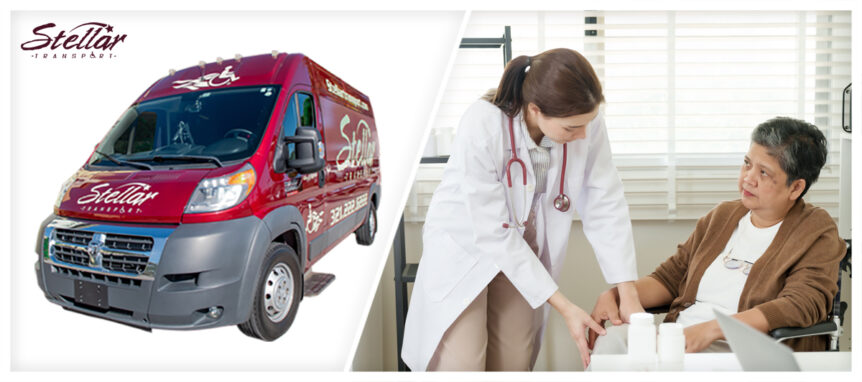
For individuals with limited mobility, getting from one place to another is not always as simple as stepping into a vehicle. Everyday activities, including attending medical appointments, can become significant challenges when mobility limitations make traditional transportation difficult or unsafe. Whether caused by age, injury, disability, surgery, or a chronic medical condition, limited mobility should never prevent someone from receiving the healthcare they need.
Accessible non-emergency medical transportation (NEMT) helps bridge that gap by providing safe, reliable, and comfortable transportation designed to meet the unique needs of patients with mobility challenges. More than simply providing a ride, accessible transportation helps patients maintain their independence, stay connected to their healthcare providers, and enjoy a better quality of life.
Limited Mobility Affects People in Many Different Ways
Limited mobility is not limited to one age group or diagnosis. Some patients use wheelchairs full time, while others rely on walkers, canes, or other mobility aids during recovery or because of long-term medical conditions. Individuals recovering from surgery may experience temporary mobility limitations, while others live with conditions such as arthritis, multiple sclerosis, Parkinson’s disease, or neurological disorders that affect movement.
Each person’s needs are different, but they all share one common requirement: transportation that accommodates their physical abilities safely and comfortably.
Accessible transportation helps ensure that patients can travel with confidence regardless of their level of mobility.
Safe Transportation Reduces the Risk of Injury
Getting into and out of a standard vehicle can be physically demanding for someone with limited mobility. Uneven surfaces, high vehicle steps, narrow doorways, and limited space can increase the risk of falls or additional injury.
Accessible transportation vehicles are designed with these challenges in mind. Features such as wheelchair lifts, ramps, spacious interiors, secure wheelchair restraints, and easy entry systems make traveling safer for passengers who require extra assistance.
In addition, trained drivers understand how to assist passengers carefully while respecting their comfort, dignity, and independence throughout the transportation process.
Reliable Access to Medical Appointments
Many patients with limited mobility require ongoing medical care. They may attend appointments with primary care physicians, specialists, physical therapists, dialysis centers, rehabilitation facilities, or outpatient treatment centers on a regular basis.
Missing appointments because transportation is unavailable can delay treatment, interrupt rehabilitation, and make managing chronic conditions more difficult.
Accessible non-emergency medical transportation provides dependable service that helps patients attend appointments consistently. Reliable scheduling allows healthcare providers to monitor progress, adjust treatment plans when necessary, and provide continuous care without unnecessary interruptions.
Supporting Greater Independence
Losing the ability to drive can be emotionally difficult. Many individuals with limited mobility worry about becoming dependent on family members, friends, or caregivers for every trip outside the home.
Accessible transportation helps restore a sense of independence by allowing patients to schedule rides for medical appointments without relying entirely on others. This freedom allows individuals to remain active participants in managing their healthcare while reducing the stress that often comes with arranging transportation.
Maintaining independence contributes to greater confidence and helps patients feel more in control of their daily lives.
Reducing Stress for Families and Caregivers
Family members often play an important role in supporting loved ones with mobility challenges. However, balancing transportation responsibilities with work, childcare, and other obligations can become overwhelming.
Accessible transportation services help ease this burden by providing a dependable alternative for medical appointments. Caregivers gain peace of mind knowing their loved one can travel safely, while patients benefit from consistent access to healthcare without needing to coordinate every ride with family or friends.
This support strengthens the overall care network and allows caregivers to focus on providing emotional support rather than managing transportation logistics.
Accessible Transportation Promotes Better Health Outcomes
When transportation barriers are removed, patients are more likely to attend appointments, follow treatment plans, and remain engaged in their healthcare. Regular access to providers allows medical conditions to be monitored more closely, medications to be adjusted when needed, and rehabilitation programs to stay on schedule.
Over time, this consistency can lead to better health outcomes, fewer complications, and improved overall well-being. Accessible transportation becomes an important part of helping patients maintain their health and continue living as independently as possible.
Helping Patients Stay Connected to the Care They Need
Accessible transportation is about much more than getting from one location to another. It is about ensuring that mobility limitations do not become healthcare barriers. By providing safe vehicles, trained drivers, and dependable service, non-emergency medical transportation helps patients receive the medical care they need while preserving their dignity, confidence, and independence.
For individuals with limited mobility, reliable transportation can make all the difference in staying connected to doctors, treatment plans, and healthier lives. To learn more about accessible transportation services, contact Stellar Transport Jacksonville today.